Cardboard Font: A Playful Display Typeface for Makers
The late afternoon sun was streaming across my workbench, illuminating a stack of kraft paper tags and a half-finished batch of soy wax candles. I had the scent profile perfect—warm vanilla and toasted oak—but something felt off about the labels. The standard serif I had been using felt too stiff, too corporate for the cozy, handmade vibe I was aiming for. I needed something that felt like it belonged in a boutique, not a boardroom. That is when I opened Cardboard, and suddenly, the design clicked into place.
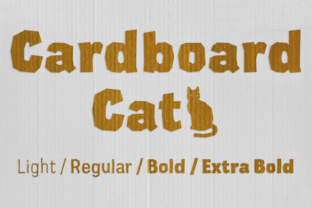
Cardboard is an edgy and fun display font with a sweet feel that instantly transforms creative ideas into eye-catchers. As a maker who spends hours cutting vinyl, printing stickers, and designing digital downloads, I know that typography is not just about readability; it is about emotion. This typeface captures a specific mood—playful yet structured, modern yet approachable. It is the kind of display font that makes you want to pick up the product just to read the label again.
Bringing Handmade Labels to Life
When I applied Cardboard to my candle labels, the change was immediate. The letters have a distinct personality, with slight irregularities that mimic the charm of hand-lettering without sacrificing the consistency needed for professional branding. For small business owners and Etsy sellers, this balance is crucial. You want your shop to look polished, but you also want it to feel human.
I tested the font on various materials. On matte sticker paper, the bold strokes held up beautifully, creating a strong visual impact even at smaller sizes. For larger packaging, such as boxes for handmade soaps or baked goods, the font’s playful nature added a layer of whimsy that encouraged customers to share their unboxing experiences on social media. It works exceptionally well for short phrases, product names, and decorative wording. Whether you are designing boutique tags for jewelry or headers for printable planner pages, Cardboard adds a layer of creative flair that standard system fonts simply cannot match.
Versatility Across Creative Projects
One of the most rewarding aspects of adding a new premium font to my library is seeing how it adapts to different mediums. Cardboard is not limited to physical products. I have used it extensively in my digital download shop, particularly for greeting cards and wedding invitations. Its sweet feel makes it ideal for birthday invites, baby shower announcements, and casual wedding stationery where a relaxed, joyful tone is preferred over traditional formality.
For those who create printable wall art, this typeface offers a modern typography aesthetic that fits well in nurseries, playrooms, or eclectic living spaces. I recently designed a set of seasonal printable signs for autumn decor, and the font’s edgy character paired perfectly with rustic leaf illustrations. It also shines in packaging design for subscription boxes or holiday gift sets, where the text needs to stand out against busy patterns or textured backgrounds.
Beyond paper goods, Cardboard translates well to hard surfaces. I have used it for mug designs and tote bags, where the bold letterforms remain legible and striking. When working with cutting machines like Cricut or Silhouette, the clean vector paths of the font ensure smooth cuts for vinyl decals and iron-on transfers. However, it is always wise to test cut a small sample first, especially if you are using intricate alternates or swashes, to ensure your machine handles the details correctly.
Strategic Font Pairing for Brand Identity
While Cardboard is a standout creative font on its own, its true power is revealed through thoughtful font pairing. Because it is a display typeface, it is best used for titles, headlines, and key branding elements rather than long paragraphs of body text. To create a balanced brand identity, I recommend pairing it with a clean sans serif font for product descriptions and ingredient lists. This contrast ensures that the playful nature of Cardboard remains the focal point while maintaining high readability for essential information.
For a more romantic or vintage look, try pairing it with a delicate script font or a handwritten font. This combination works wonders for wedding welcome boards or boutique signage, where you might use Cardboard for the main header and a flowing script for the couple’s names or a personal message. Alternatively, pairing it with a simple serif font can add a touch of editorial sophistication, making it suitable for high-end editorial design projects or luxury product packaging.
Technical Considerations for Commercial Use
Before integrating any new commercial font into your product line, it is essential to review the technical specifications and licensing terms. Cardboard comes with various features that enhance its versatility, such as alternates, ligatures, and potentially multiple weights or styles. Checking these included assets allows you to customize the look further, ensuring that your design assets remain unique and aligned with your specific aesthetic.
For makers selling physical products, templates, printables, or SVG-style designs, understanding the license is critical. Ensure that your intended use—whether for logo design, web design, social media graphics, or merchandise—is covered under the commercial license provided. Multilingual support is another factor to consider if you plan to sell internationally or create designs in multiple languages. By verifying these details upfront, you protect your business and ensure a smooth production process.
Readability is also a key consideration, especially for small stickers or product labels. While Cardboard is highly legible, always preview your designs at actual size. What looks clear on a computer screen may behave differently when printed on a small circular label or embossed on a textured card. Creating mockup previews helps you gauge how the font interacts with your chosen materials and colors, allowing you to make adjustments before final production.
Incorporating Cardboard into your creative toolkit opens up new possibilities for audience engagement. Its ability to convey warmth and fun helps build an emotional connection with customers, making your products feel more personal and inviting. Whether you are designing seasonal craft designs, updating your shop branding, or creating a new line of digital printables, this typeface offers the perfect blend of edge and sweetness to make your work stand out. It is more than just a set of letters; it is a tool for storytelling, helping you turn every creative idea into a memorable visual experience.